Seasonal Pest Problems and How to Prevent Them
To prevent seasonal pest problems and how to prevent them, local service providers can help identify risks and implement effective solutions tailored to each season.
Understanding seasonal pest problems and how to prevent them is essential for property owners looking to maintain a comfortable and pest-free environment throughout the year. As temperatures shift and seasons change, different pests become more active, often seeking shelter, food, and water sources around homes and buildings. Recognizing these patterns can help prevent infestations before they start, saving time and resources in the long run. Many local contractors specialize in seasonal pest control services, offering tailored solutions to keep pests at bay during their peak times and ensuring properties remain protected year-round.
For property owners in the area, exploring seasonal pest problems and prevention strategies is a practical step toward safeguarding their investments. Local service providers can assess specific vulnerabilities and recommend effective measures to reduce pest activity during critical seasons. By staying informed and proactive, property owners can minimize disruptions and avoid costly damages caused by pests. Keep reading to discover helpful tips and how local pros can assist in managing seasonal pest challenges efficiently and effectively.
- homeowners experiencing seasonal pest problems and how to prevent them can rely on local contractors to implement effective seasonal pest control strategies. - during peak pest activity periods, local service providers assess property conditions and apply targeted treatments to reduce infestations. - as pests emerge with changing seasons, local pros can advise on preventative measures to protect homes and gardens from future issues. - in preparation for seasonal pest problems, local contractors conduct inspections and recommend treatments to minimize pest entry and nesting. - when seasonal pest problems arise, local service providers offer tailored solutions to help homeowners maintain pest-free environments year-round.
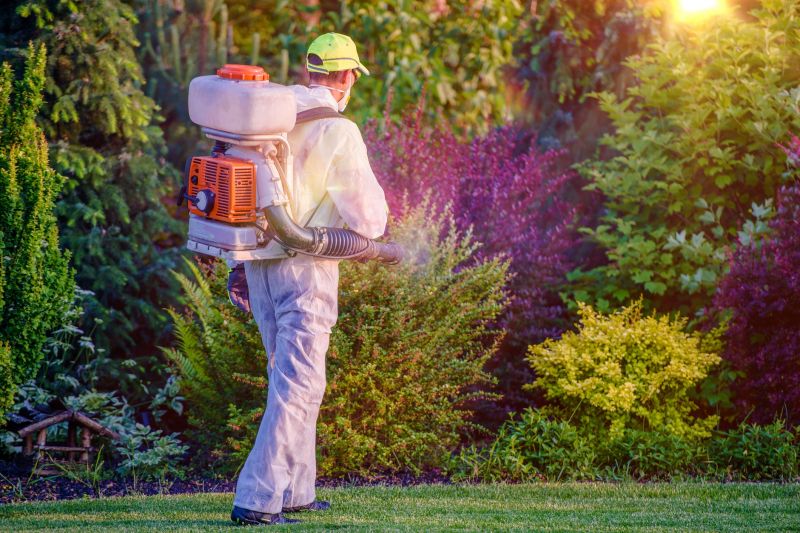
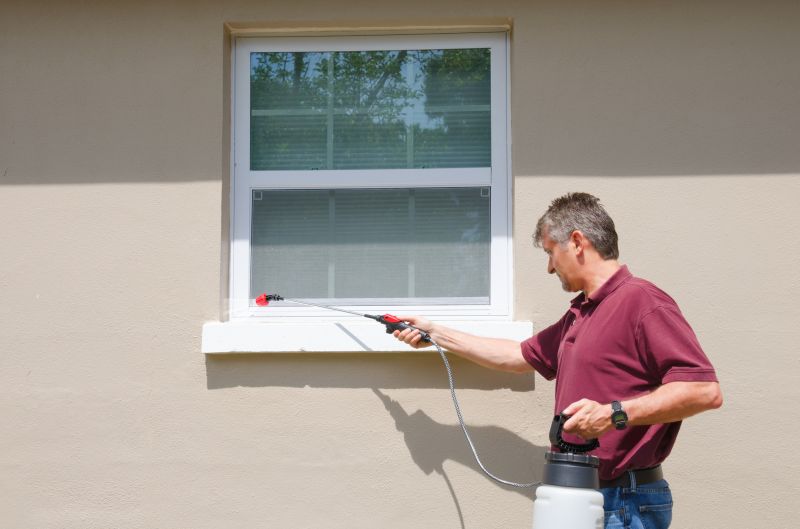
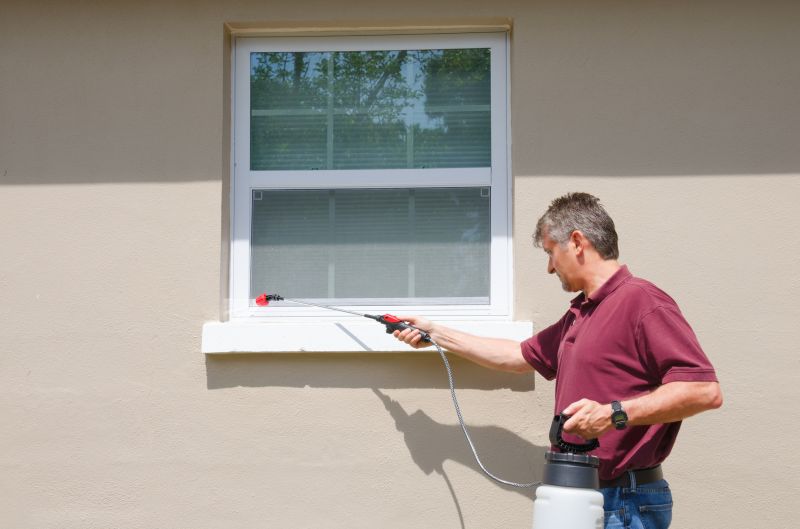
Seasonal pest problems and how to prevent them are common concerns for homeowners as different pests tend to become active during specific times of the year. When people search for this topic, they are often looking for information on how pests like ants, spiders, mosquitoes, wasps, or rodents tend to invade properties seasonally, and what steps can be taken to minimize or eliminate these issues. Understanding the natural life cycles and behaviors of these pests helps homeowners develop effective prevention strategies, such as sealing entry points, removing attractants, and maintaining property hygiene. Local service providers who specialize in seasonal pest control can offer tailored solutions to address these specific challenges, making it easier for homeowners to keep their homes pest-free year-round.
The problems associated with seasonal pest activity often relate to property damage, health risks, and personal discomfort. For example, summer months may bring an influx of mosquitoes and wasps, which can pose nuisance and health concerns, while fall and winter might see increased rodent activity as pests seek shelter. Planning for these seasonal shifts involves implementing proactive measures, such as installing screens, trimming vegetation, or setting traps, to prevent pests from establishing themselves. Local contractors experienced in seasonal pest control can assess individual properties, identify vulnerabilities, and recommend customized prevention plans that align with the specific pest challenges of each season.
Different types of properties are affected by seasonal pest problems, including single-family homes, apartments, townhouses, and even commercial buildings. Homes with yards or gardens are more prone to pests like ants, ticks, and mosquitoes, especially during warmer months. Structures with gaps or cracks in the foundation, vents, or windows can become entry points for rodents and insects during colder seasons. Understanding the unique vulnerabilities of various property types allows local service providers to develop targeted prevention strategies, such as sealing entry points, installing barriers, or applying seasonal treatments. This tailored approach helps homeowners and property managers reduce pest encounters and maintain a more comfortable living or working environment.
Effective prevention of seasonal pest problems often involves collaboration with local pest control professionals who understand the specific challenges posed by each season. These experts can recommend and implement integrated pest management plans that include preventive treatments, habitat modification, and ongoing monitoring. By working with experienced service providers, homeowners can address the root causes of seasonal pest activity and reduce the likelihood of infestations. Connecting with local pros ensures that pest prevention efforts are suited to the local climate and pest patterns, providing peace of mind and helping maintain a pest-free property throughout the year.
Home sealing projects - local contractors can help identify and seal gaps that pests use to enter homes during seasonal pest problems and how to prevent them.
Gutter cleaning services - keeping gutters clear reduces moisture buildup that attracts pests, making this a related service for seasonal pest prevention.
Yard cleanup and landscaping - proper yard maintenance can eliminate pest breeding grounds and is often handled by local service providers.
Screen installation and repair - installing or fixing screens helps prevent pests from entering indoor spaces during seasonal pest issues.
Mosquito control treatments - local pros can apply targeted treatments to reduce mosquito populations during peak pest seasons.
Rodent exclusion services - specialists can help identify and block entry points to prevent rodent infestations related to seasonal pest problems.
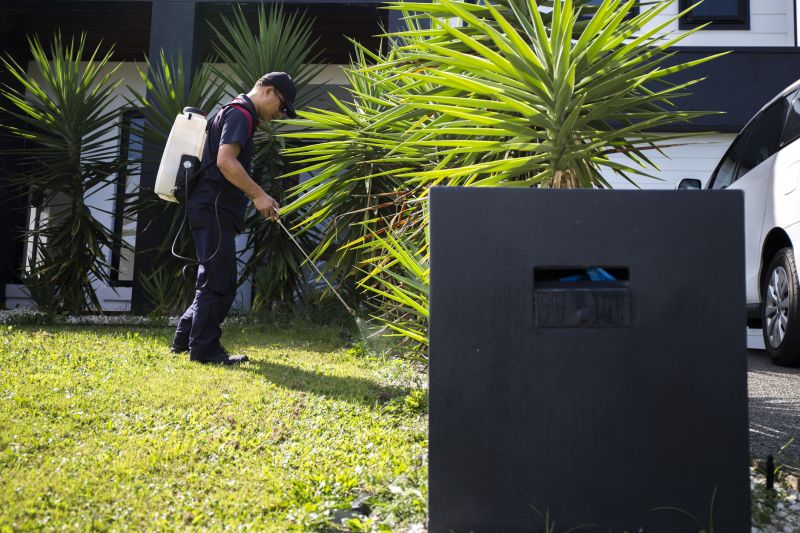
When comparing local contractors for seasonal pest problems and how to prevent them, it is important to consider their experience with similar projects. Homeowners should seek out service providers who have a proven track record of addressing seasonal pest issues effectively, as this demonstrates familiarity with the specific challenges and solutions relevant to their area. An experienced contractor can offer insights into common pests during different times of the year and recommend proactive measures to minimize future infestations, helping homeowners make informed decisions about their pest control needs.
Clear and detailed written expectations are essential when evaluating potential service providers. Homeowners should look for contractors who can provide comprehensive descriptions of the services included, the scope of work, and any follow-up or maintenance recommendations. Having this information in writing helps ensure everyone is aligned on what will be done and prevents misunderstandings. It also allows homeowners to compare proposals more effectively, ensuring that the chosen contractor’s approach aligns with their goals for preventing seasonal pest problems.
Reputable references and good communication are key factors when selecting local contractors for seasonal pest control services. Homeowners should ask for references or reviews from past clients to gauge the quality of work and customer satisfaction. Additionally, a service provider who communicates clearly and promptly can better address questions or concerns, creating a smoother experience. Effective communication often indicates professionalism and reliability, making it easier for homeowners to trust that the contractor will deliver the pest prevention solutions needed to maintain a pest-free environment throughout the seasons.
Property owners often search for seasonal pest problems and how to prevent them when they are planning practical projects around their homes and businesses. Local pros provide Seasonal Pest Control services for everyday jobs and straightforward project options.


Seasonal pest problems and how to prevent them are common concerns for property owners looking to maintain a comfortable and pest-free environment throughout the year. As temperatures change and seasons shift, different pests tend to become more active, seeking shelter, food, and water sources around homes and businesses. For example, warmer months often bring an increase in ants, mosquitoes, and flies, while cooler seasons may see rodents trying to find warmth indoors. Many property owners turn to local contractors who specialize in seasonal pest control to help identify vulnerable areas and implement preventative measures.
Engaging with local service providers can be an effective way to address seasonal pest problems proactively. These professionals can assess properties for entry points, recommend sealing gaps, and set up targeted treatments to keep pests at bay. Regular inspections and maintenance from experienced contractors can help prevent infestations before they start, saving property owners time and stress. Connecting with local pros ensures that pest prevention strategies are tailored to the specific needs of the property and the seasonal challenges faced in the area.
What are common seasonal pest problems and how can they be prevented? Common seasonal pest problems include ants, spiders, mosquitoes, and rodents. Local contractors can provide targeted treatments and preventative measures to reduce the risk of infestations during peak seasons.
How do seasonal changes impact pest activity? Changes in temperature, humidity, and plant growth influence pest activity, often leading to increased presence of certain pests. Seasonal pest control services can help manage these fluctuations effectively.
What preventative tips can help reduce seasonal pest problems? Keeping yards tidy, sealing entry points, and removing standing water are practical steps. Local service providers can offer customized prevention strategies based on seasonal pest trends.
When should I schedule pest control for seasonal pest problems? It's best to schedule preventative treatments before pests become active or during early signs of infestation. Local contractors can recommend optimal timing based on seasonal patterns.
How do seasonal pest control services differ from regular pest treatments? Seasonal pest control services focus on proactive prevention aligned with pest activity cycles, helping to minimize infestations before they start. Local pros tailor their approaches to seasonal pest problems for effective results.
Seal entry points - Property owners can identify and seal gaps or cracks around doors, windows, and foundations to prevent pests from entering during seasonal pest problems and how to prevent them.
Remove attractants - Clearing clutter, securing trash cans, and eliminating standing water can reduce pest attractants and support seasonal pest control efforts by local contractors.
Maintain landscaping - Trimming trees, bushes, and removing debris close to the home can minimize pest habitats and make properties less inviting during seasonal pest problems.
Schedule regular inspections - Arranging periodic inspections with local service providers helps identify early signs of pest activity and supports ongoing prevention strategies.
If you are thinking about seasonal pest problems and how to prevent them for a property, this guide is meant to help you understand this topic, the typical project types, and how different options might fit your plans.
When you are ready, you can use the quote form on this page to share a few details about your project. From there, local pros can review the basics and follow up with options that match what you have in mind.